Secret to Perfect Spirals: Two-Day Dough & Soft Butter for Unforgettable Cinnamon Rolls
Imagine sinking your teeth into a warm, pillowy fluffy cinnamon roll, its delicate spirals infused with sweet cinnamon sugar, all topped with a luscious, melting cream cheese frosting. For many, this is the epitome of a leisurely weekend breakfast or a cherished holiday treat. But achieving that bakery-quality texture – the kind that pulls apart with a feathery stretch, each bite rich and tender – often feels like a culinary mystery. The good news? The secret to mastering truly perfect cinnamon rolls at home is surprisingly simple, yet profoundly impactful: a two-day dough and the transformative power of very soft butter.
Forget dry, dense rolls or spirals that lose their shape. This comprehensive guide will unveil the techniques that elevate homemade cinnamon rolls from good to utterly exceptional, channeling the spirit of those enormous, cloud-like delights found in a hidden gem of a deli café. Get ready to create a masterpiece that will have everyone asking for your recipe.
The Foundation of Flavor: Why a Two-Day Dough is a Game-Changer for Your Cinnamon Rolls
The journey to truly spectacular cinnamon rolls begins long before they hit the oven, specifically with the dough itself. While it might sound like an extra step, embracing a two-day dough method is, in fact, a cornerstone for achieving unparalleled flavor and an incredibly tender texture. This isn't just about convenience; it's a deliberate choice that significantly impacts the final product.
Firstly, a slow-risen dough, given ample time to ferment over two days, develops a depth of flavor that a quick rise simply cannot replicate. The yeast works its magic gradually, breaking down complex carbohydrates and releasing aromatic compounds that imbue the dough with a subtle, yeasty sweetness and a nuanced richness. This slow fermentation creates a dough that is not overly sweet on its own, making it the perfect neutral canvas to showcase the vibrant buttery brown sugar and cinnamon filling.
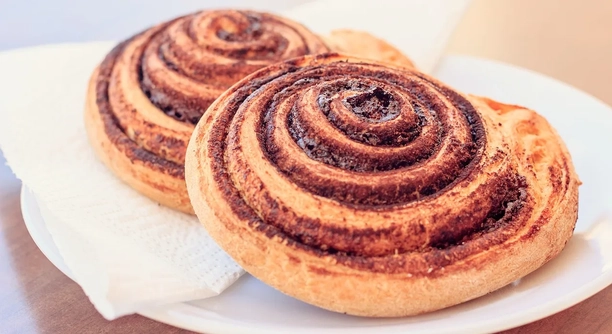
Beyond flavor, the two-day process dramatically improves the dough's workability and the ultimate structure of your cinnamon rolls. Allowing the dough to chill overnight in the refrigerator transforms it into a much firmer, less sticky consistency. This cold dough is a dream to roll out! It resists tearing, holds its shape beautifully, and allows you to achieve those wonderfully tight, numerous spirals that are the hallmark of bakery-style rolls. Without the resistance of cold dough, trying to roll a soft, warm dough thin enough for multiple layers often results in a sticky mess and fewer, less defined spirals. This simple trick alone can elevate your cinnamon rolls from good to gorgeous, ensuring each roll squishes up perfectly against its neighbor, ready to yield that coveted feathery stretch when pulled apart.
Furthermore, breaking up the work over two days makes the entire process feel less daunting. You can mix the dough one evening, let it slow-rise in the fridge overnight, and then proceed with shaping and baking the following morning. This transforms what could be an intense single-day baking project into a relaxed, enjoyable culinary adventure, perfect for those slow weekend mornings or holiday preparations.
The Secret Ingredient: Unlocking Tenderness with Soft Butter
While the two-day dough lays the groundwork for flavor and structure, the true secret to an incredibly rich, fluffy, and tender crumb in your cinnamon rolls lies in one crucial ingredient: butter, and more specifically, very soft butter. This recipe leans into a dough very similar to brioche, a renowned French pastry dough celebrated for its incredible richness and delicate texture, all thanks to a generous amount of butter.
When butter is incorporated into the dough, especially when it's exceptionally soft, it disperses more evenly and seamlessly throughout the mixture. This even distribution of fat coats the gluten strands, preventing them from developing too much, which in turn results in a remarkably tender and melt-in-your-mouth texture. Think of it as a luscious lubricant, ensuring that every strand of dough is enveloped in richness. If the butter is too cold and hard, it will be challenging to mix in evenly, leaving streaks of unmixed butter and potentially leading to a less uniform, tougher crumb.
To achieve this essential softness, planning ahead is key. Take your butter out of the refrigerator a good few hours before you intend to mix your dough – ideally, even the night before. This extended time at room temperature allows the butter to reach that perfect, pliable consistency without melting. It should be soft enough that your finger leaves an indentation with gentle pressure, but not greasy or oily.
But what if you forget, or time simply slips away? Don't despair! A clever workaround involves slicing the cold butter into tablespoon-sized pieces. Then, knead each piece between your fingers for a few moments before adding it to your dough. The warmth from your hands will rapidly soften the butter, allowing it to integrate properly and still deliver that rich, tender crumb that defines these superior cinnamon rolls.
Crafting the Perfect Spiral and Irresistible Frosting
With your perfectly prepared, cold dough, the next exciting step is to transform it into those iconic, swirling masterpieces. The richness of the dough provides an ideal canvas for the decadent filling: a generous spread of softened butter, lavishly dusted with a mix of brown sugar and aromatic cinnamon. Ensure the filling is spread right to the edges, as this creates those irresistibly gooey, sticky centers that define the best cinnamon rolls. The cold dough makes rolling it up tightly a breeze, allowing you to achieve a beautiful, uniform log with numerous spirals.
When it comes to cutting your rolled dough into individual cinnamon rolls, precision is key to maintaining those gorgeous spirals. Forget squishing your perfectly crafted log with a knife! The secret for clean, uniform cuts lies in a simple, often overlooked kitchen tool: unflavored dental floss. Gently slide a thin strand of floss under the log, cross the ends over the top, and pull them taut. The floss will slice through the soft dough effortlessly, creating perfectly round, un-squished rolls every time. This method ensures each roll maintains its shape and exquisite layers, ready for their final rise and bake.
No cinnamon roll is complete without its crowning glory: a thick, sweet, and slightly tangy cream cheese frosting. This isn't just an afterthought; it's an integral part of the experience. The magic truly happens when you spread this luscious frosting over the rolls while they are still warm, fresh from the oven. The gentle heat causes some of the frosting to melt slightly, allowing it to seep down into those cinnamony spirals, creating an even gooier, more intensely flavored treat. The contrast of the warm, soft roll with the cool, sweet frosting is simply heavenly.
Beyond the Bake: Serving, Storing, and Freezing Your Masterpiece
While making cinnamon rolls from scratch is a labor of love, the reward is immediate and undeniable. These rolls are undeniably at their absolute best the day they are made, served slightly warm with that generous, thick layer of sweet frosting. The aroma alone is enough to bring everyone to the kitchen!
However, life often calls for delicious treats to last a little longer, or to be prepared ahead of time. And the beauty of these homemade cinnamon rolls is their versatility. For immediate enjoyment, warm individual rolls in the microwave for 10 to 15 seconds; this will bring back their pillowy softness, making them feel freshly baked, perfect for a slow weekend morning.
If you have leftovers (a rare occurrence with these!), store baked and frosted cinnamon rolls in an airtight container at room temperature for up to two days. For extended freshness, refrigerate them for up to four days. While they will start to dry out slightly over time, a quick reheat will revive much of their tender charm.
For those who love to plan ahead or want to surprise loved ones with fresh-baked goodness anytime, freezing is an excellent option. The key is to freeze them before frosting. Once your rolls are baked and completely cooled, wrap them tightly in plastic wrap, then again in aluminum foil, or place them in a freezer-safe bag. They can be stored in the freezer for up to two months. When ready to enjoy, simply thaw them at room temperature, then warm them gently in the microwave or oven, and frost just before serving. This method ensures you can enjoy that fresh-baked flavor and texture whenever the craving strikes, making them ideal for Christmas morning or any special holiday.
Mastering the art of homemade cinnamon rolls is a truly rewarding endeavor. By embracing the simple yet transformative techniques of a two-day dough for enhanced flavor and workability, and utilizing very soft butter for an unparalleled tender crumb, you can achieve bakery-quality results right in your own kitchen. From the perfectly defined spirals to the luxurious cream cheese frosting melting into every crevice, these cinnamon rolls are more than just a treat – they're an experience. So, take your time, enjoy the process, and prepare to delight everyone with the most incredible cinnamon rolls they've ever tasted.
